The Complete Guide to Local SEO Marketing Services (2026)
- local-seo
- contractor-marketing
- google-business-profile
- seo-services
Local SEO marketing services help businesses show up when nearby customers search on Google, Google Maps, Apple Maps, and other local search platforms for products or services in a specific area. If your company depends on calls, appointments, visits, or service requests from a defined geography, local SEO is one of the most important digital marketing investments you can make in 2026.
Table of Contents
- What is a local SEO marketing service?
- Why traditional local marketing no longer works
- The 7 local SEO marketing channels that drive real results
- How much should you invest in local SEO marketing services?
- The 8 most common local SEO marketing mistakes (and how to fix them)
- Essential tools and resources for local SEO marketing
- FAQ
Introduction
46% of all Google searches have local intent (Google, via Search Engine Roundtable, 2018), which means nearly half of Google search activity has some form of location-based intent. Local SEO marketing services improve your online visibility in local search results, Google Maps, and "near me" searches so nearby customers can find, trust, and contact your business.
This guide is written for established contractors and service companies that rely on qualified leads from local markets: HVAC companies, roofers, remodelers, plumbers, electricians, dentists, clinics, multi-location service brands, and other local businesses competing in a crowded area.
You'll learn:
- What local SEO services actually include - and what they do not
- Which local SEO channels drive more local customers, calls, and website traffic
- How Google Business Profile optimization, reviews, citations, and local keywords work together
- How much to invest in local SEO marketing services and what results to expect
We've seen local SEO efforts help service businesses improve map-pack visibility, increase organic traffic, generate more qualified calls, and reduce dependence on paid ads when the strategy is built around real user intent, accurate business information, and measurable local SEO performance.
What is a local SEO marketing service?
A local SEO marketing service is a specialized search engine optimization service that helps a business appear in local search results for location-based searches such as "HVAC repair near me," "bathroom remodel Knoxville," or "local SEO Toronto." Local SEO focuses on optimizing a business's online presence for searches performed within a specific geographical area, while traditional SEO aims to improve overall visibility without a geographical focus.
Local search engine optimization is different from general SEO because proximity, reviews, local citations, Google Business Profile, and map visibility matter as much as website authority. A traditional SEO company may focus on broad keyword rankings and organic traffic, while a local SEO company focuses on local rankings, calls, directions, form fills, and high-intent local searches from nearby customers.
Local SEO services typically include:
- Google Business Profile setup, verification, and optimization
- Local keyword research for service + city and "near me" searches
- Location-based landing pages and technical SEO
- Local citations and NAP consistency management
- Review generation and reputation management
- Local backlinks from reputable community websites
- Local SEO audit, tracking, reporting, and ongoing optimization
Local SEO marketing services do not include guaranteed #1 rankings, instant results, broad national SEO, unrelated social media marketing, or generic PPC campaigns that ignore geography. Local SEO builds a sustainable, long-term organic presence unlike paid ads, which stop driving traffic when payments cease.
Is it worth it to hire someone to manage SEO? For most established contractors and service companies, yes. Local SEO requires ongoing work across Google Business Profile, reviews, citations, local keyword research, web design, mobile performance, technical SEO, and analytics. A trusted local SEO agency can usually move faster and avoid expensive mistakes that happen when local SEO strategy is treated like a one-time setup.
Why traditional local marketing no longer works
Yellow Pages, print ads, radio spots, and generic local sponsorships can still create awareness, but they no longer control the customer journey. Modern buyers search first, compare reviews, check business hours, scan Google Maps, visit the website, and then call or book.
The numbers explain the shift. 46% of all Google searches have local intent (Google, via Search Engine Roundtable, 2018), highlighting the importance of local SEO in connecting businesses with nearby customers. 87% of smartphone users perform daily local searches (Google/Purchased, via BrightLocal), indicating that optimizing for local SEO is essential for capturing high-intent mobile traffic. 76% of consumers who search for something local on their phone visit a business that same day (Google, via Think with Google), highlighting the importance of mobile optimization for driving foot traffic.
The new local customer journey looks like this:
- Search - The customer types a local SEO search such as "emergency plumber near me" or "best remodeler in North York."
- Compare - They look at the top three map listings, which capture about 42% of all clicks for those keywords.
- Verify - They check reviews, photos, hours, services, and business information.
- Convert - They call, request directions, book online, or submit a form.
- Review - Their feedback becomes part of your future local search visibility.
Traditional marketing struggles because it cannot capture this intent in the moment. Local SEO eliminates wasted, unqualified traffic from users who are too far away to buy products or use services, while helping local businesses capture customers in their immediate area by optimizing their online presence for location-based searches.
The 7 local SEO marketing channels that drive real results
Google Business Profile optimization
Google Business Profile optimization is the foundation of local SEO because it directly affects your visibility in local search results and on Google Maps. Your Google Business Profile serves as a virtual business card, allowing you to share essential information such as your address, opening hours, and services with potential customers.
Optimizing your Google Business Profile is a fundamental pillar of your local SEO strategy because it significantly enhances your visibility in local search results and on Google Maps. This platform was formerly known as Google My Business, and many business owners still use that name, but the current system is Google Business Profile.
A strong profile should include:
- Correct primary and secondary business categories
- Accurate name, address, phone number, website, and service area
- Detailed service descriptions using relevant local keywords
- Updated business hours, holiday hours, and "open now" accuracy
- High-quality photos of work, staff, storefront, vehicles, or projects
- Services, products, Q&A, messaging, booking, and attributes where relevant
Maintaining accurate and updated information on your Google Business Profile is crucial for improving local visibility and attracting more customers to your business. Mobile searches for "store open near me" increased by over 250% in a recent two-year period, demonstrating the growing significance of mobile optimization in local search.
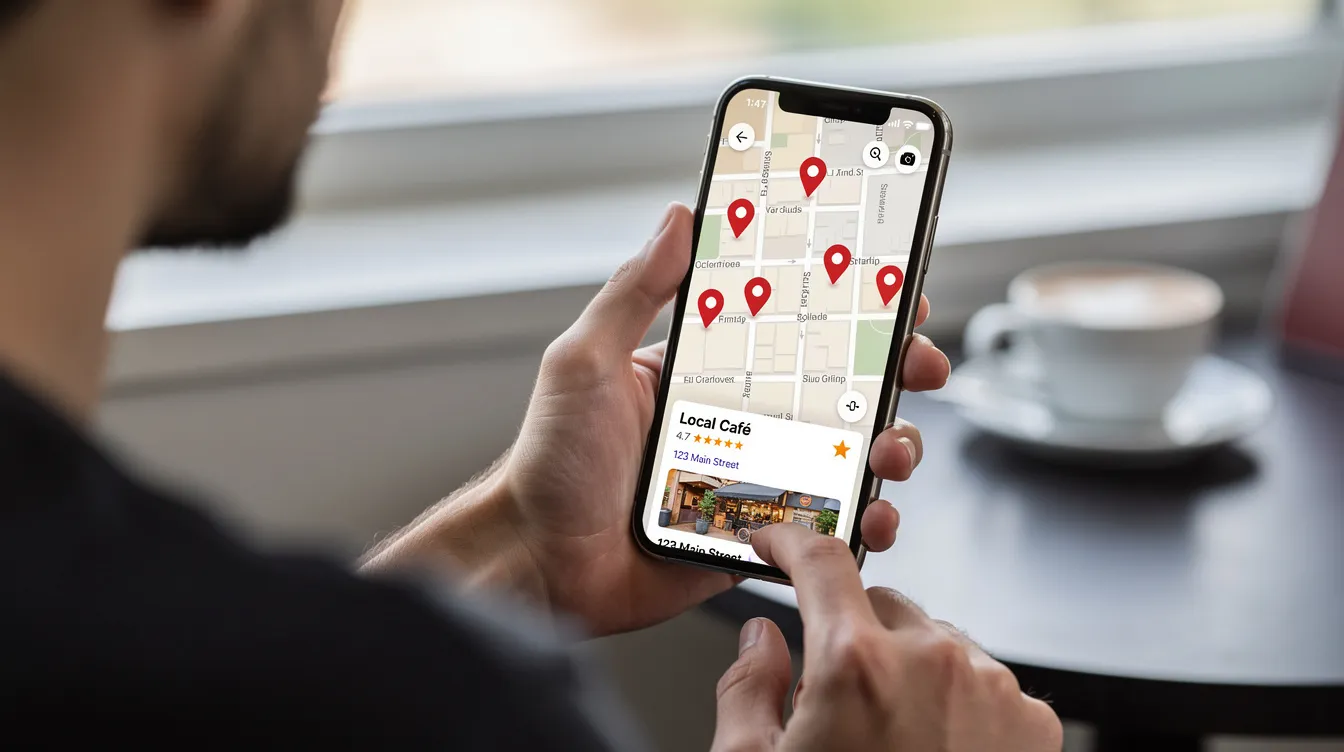
Local pack rankings are influenced by proximity, relevance, prominence, reviews, profile completeness, user behavior, and consistency across the web. The top local SEO companies do not simply "set up" a profile; they manage it weekly or biweekly with posts, photos, Q&A monitoring, service updates, review responses, and performance reporting.
For service companies in a competitive local market, this channel is non-negotiable. Local SEO improves map visibility on navigation apps when users are searching on the go, which means your business can be discovered at the exact moment someone is ready to call, visit, or request a quote.
Local keyword research and targeting
Local keyword research identifies the exact phrases your target audience uses when searching for nearby services. Effective keyword research for local SEO involves identifying geo-targeted, high-intent phrases that match local demand with business offerings.
A general keyword such as "roof repair" may be too broad. A local keyword such as "roof repair Plano," "emergency roof repair near me," or "licensed roofer in Collin County" is much more likely to convert because people searching for specific local services have higher conversion rates than general broad searches.
Examples of local keywords by business type:
- Contractor: "bathroom remodel Knoxville," "general contractor near me," "licensed contractor East Tennessee"
- HVAC: "AC repair Buffalo," "heat pump installation Portland," "HVAC company near me"
- Dentist: "emergency dentist Tacoma," "cosmetic dentist Seattle," "kids dental clinic near me"
- Local SEO agency: "local SEO Toronto," "best local SEO company near me," "local SEO services for contractors"
46% of all Google searches have local intent (Google, via Search Engine Roundtable, 2018), highlighting the importance of keyword research in local SEO to capture high-intent traffic. Local SEO keyword research helps businesses understand the specific terms their target audience uses in local searches, which is crucial for driving relevant traffic.
A strong local SEO strategy maps each keyword cluster to the right page. For example, "HVAC repair Buffalo" may belong on a city-specific service page, while "how often should I service my furnace in Buffalo winters?" may belong in a blog post that internally links to the service page.
Creating website content that targets location-specific phrases enhances local SEO effectiveness. This does not mean duplicating the same page for every city. It means building useful, distinct pages that reflect local conditions, service availability, testimonials, regulations, neighborhoods, and user intent.
Local citation building and NAP management
Local citations are online mentions of your business's name, address, and phone number, often called NAP, which help improve local rankings. These citations appear on directories, maps, social profiles, data aggregators, chamber websites, industry platforms, and local business listings.
Consistency in NAP data across various online directories is crucial, as discrepancies can confuse search engines and negatively impact local rankings. A business using "Suite 200" on one site, "Ste 200" on another, an old phone number on Yelp, and a previous address on Apple Maps may send mixed signals to a search engine.
Important citation sources include:
- Google Business Profile
- Bing Places
- Apple Maps
- Yelp
- YellowPages.com
- Better Business Bureau
- Chamber of commerce websites
- Industry-specific directories such as Houzz, Angi, HomeAdvisor, Healthgrades, Avvo, or niche trade associations
Building citations on reputable and relevant directories enhances local authority and trustworthiness, which are important for local SEO success. Citation quality matters more than raw quantity. A few authoritative local citations from a chamber of commerce, city business association, or respected industry directory can be more valuable than dozens of low-quality directory listings.
Citation cleanup is also part of technical SEO. Duplicate listings, old locations, incorrect hours, disconnected phone numbers, and mismatched business categories can weaken your local search presence. A local SEO audit should identify citation gaps, duplicates, and inconsistencies before aggressive new citation building begins.
Location-based content marketing
Location-based content marketing helps brands attract traffic from relevant local searches by publishing pages and articles tied to specific services, cities, neighborhoods, and customer questions. Local SEO strategies can significantly increase visibility in local search results, which is crucial for businesses aiming to attract customers in their geographic area.
The most useful content types include:
- City-specific service pages
- Neighborhood landing pages
- Local project case studies
- Seasonal service guides
- Local buying guides
- FAQ pages based on local searches
- Blog posts about area-specific problems or regulations
For example, a remodeler could publish "How to Choose a Contractor in Markham," "Bathroom Remodeling Costs in Mississauga," and "Permit Requirements for Home Additions in Victoria." An HVAC company could create "Best Heat Pump Settings for Ontario Winters" or "When to Replace an AC Unit in Barrie."
Internal linking is what turns these pages into a system. Your main service page should link to city pages. City pages should link to service pages. Blog posts should link to relevant commercial pages. Breadcrumbs, schema, and clear navigation help search engines understand the relationship between services, locations, and expertise.
Good location-based content also improves conversion. It shows local customers that you understand their area, their needs, and their concerns. Investing in localized services directly enhances your business's presence across the web because every useful page becomes another entry point into your business online.
Local link building and community engagement
Local link building earns backlinks from reputable local websites, proving your business is an active part of the community. These local backlinks help build domain authority, strengthen geographic relevance, and improve search engine visibility for local markets.
Useful local link opportunities include:
- Chamber of commerce member pages
- Local nonprofit sponsorship pages
- Community event websites
- Local news coverage
- School, sports, or charity sponsorships
- Local business associations
- Regional industry groups
- Guest contributions to local publications
This is where community engagement becomes a real SEO asset. Sponsoring a youth sports team, participating in a neighborhood event, supporting a local fundraiser, or partnering with another business can lead to legitimate links, local PR, photos, mentions, and referral traffic.
The key is relevance and quality. A local link from a respected city organization can be more valuable than many generic backlinks from irrelevant blogs. Avoid spammy directory networks, cheap paid links, and link farms. Those tactics may create short-term movement but can damage long-term local SEO success.
A local SEO company that understands community-driven growth will look for partnerships, sponsorships, local PR, and reputation-building opportunities - not just backlinks. The best local SEO company for your business should be able to connect online visibility with real-world local authority.
Local paid advertising integration
Local paid advertising supports SEO by generating immediate visibility while organic local SEO efforts build over time. Google Ads management, Local Services Ads, map pack advertising, and geo-targeted search campaigns can put your business in front of local customers quickly.
Paid and organic channels work best together. Google Ads can reveal which local keywords generate qualified leads. Those keywords can then inform your local SEO strategy, website content, landing pages, and Google Business Profile optimization. Meanwhile, stronger organic visibility can reduce your dependence on paid traffic over time.
A practical local ad strategy includes:
- Campaigns segmented by service and city
- Radius targeting around profitable service areas
- Call extensions and location extensions
- Landing pages matched to user intent
- Negative keywords to avoid irrelevant traffic
- Separate tracking for paid calls, organic calls, and map clicks
For many local businesses, 20-40% of the local marketing budget may go toward paid ads during growth phases, especially when entering new local markets. A competitive local market may require more paid visibility at first, while a maturing local SEO campaign can gradually shift more value toward organic traffic.
Paid ads are not a replacement for local SEO. They are an accelerant. A digital marketing company that manages both search engine optimization and paid media should report cost per lead, call quality, lead source, conversion rate, and revenue impact by channel.
Reputation management and review optimization
Reputation management is a core local SEO channel because reviews influence trust, rankings, and click-through rates. Actively generating and responding to customer reviews builds trust and influences click-through rates.
Customer reviews are a critical ranking factor in local SEO because they directly influence search visibility and consumer trust. Positive reviews are a primary ranking factor and influence 93% of consumers' buying choices (BrightLocal Consumer Review Survey, 2026). Reviews send strong signals to search engines, and having positive, keyword-rich reviews can improve a firm's relevancy and engagement metrics.
A strong review strategy includes:
- Asking for reviews after successful service completion
- Sending direct review links by SMS or email
- Training staff to request reviews consistently
- Responding to positive and negative reviews
- Monitoring review velocity, rating average, and sentiment
- Avoiding incentives that violate platform rules
A consistent stream of recent reviews is weighted more heavily than older review bursts, helping businesses remain competitive in local search results. In other words, 200 reviews from three years ago are less powerful than a steady pattern of recent, authentic feedback.
Review request template:
Hi [Name], thank you for choosing [Business]. Would you be willing to share your experience in a Google review? Your feedback helps us improve and helps other local customers find a trustworthy service provider.
Negative review response template:
Thank you for your feedback, [Name]. We're sorry your experience did not meet expectations. Please contact us at [phone/email] so we can understand what happened and work toward a resolution.
Reviews are not just social proof. They affect local search rankings, local search visibility, and conversion. For service companies, reputation management may be the difference between appearing in search results and actually winning the call.
How much should you invest in local SEO marketing services?
Most small businesses and established service companies should invest enough in local SEO to cover strategy, implementation, content, reviews, technical SEO, citation management, reporting, and ongoing optimization. In 2026, meaningful local SEO services commonly fall into these ranges:
- Small single-location businesses: $500-$2,500 per month
- Mid-sized service businesses in competitive markets: $1,200-$3,000 per month
- Multi-location or franchise businesses: $2,000-$10,000+ per month total
- Hourly local SEO consulting: $75-$200+ per hour
- One-time projects: $500-$1,000+ for audits, Google Business Profile overhauls, citation cleanup, or location page builds
Many businesses allocate roughly 1%-10% of their marketing budget to local SEO, depending on competition, growth goals, current online presence, and lead value. A company with a larger average job size can often justify more aggressive digital marketing investments because one new customer may cover months of SEO spend.
What to expect by investment level:
- $500-$1,200/month: Basic Google Business Profile work, citation cleanup, light reporting, and foundational local SEO improvements.
- $1,200-$5,000/month: Stronger local keyword research, content creation, review systems, technical SEO, local citations, and measurable growth in local search rankings.
- $5,000-$10,000+/month: Multi-location strategy, scalable content systems, advanced reporting, local backlinks, conversion optimization, and deeper competitive positioning.
The ROI framing is simple: if local SEO brings in high-intent leads from nearby customers who are ready to buy, even modest improvements in search engine rankings can produce meaningful business growth. Local SEO is particularly beneficial for businesses with physical locations, as it helps them appear in local search results and Google Maps, driving foot traffic and increasing visibility among local consumers.
Not sure what budget makes sense for your business? A proper local SEO audit should review your current local search presence, competitors, Google Business Profile, citations, reviews, website traffic, and conversion paths before recommending a monthly investment.
The 8 most common local SEO marketing mistakes (and how to fix them)
-
Inconsistent NAP information across platforms
Mismatched business information confuses search engines and hurts local rankings. Fix this with a citation audit, duplicate cleanup, and consistent name, address, and phone number formatting across every business listing. -
Neglecting Google Business Profile optimization
Many businesses claim the profile and stop there. Fix this by adding services, photos, posts, Q&A answers, hours, attributes, and regular updates. -
Targeting too broad of a geographic area
Trying to rank everywhere usually weakens relevance. Fix this by prioritizing your real service area and building local keywords, landing pages, and citations around profitable locations. -
Ignoring mobile optimization for local searches
87% of smartphone users perform daily local searches (Google/Purchased, via BrightLocal), indicating that mobile optimization is crucial for capturing local traffic. Fix slow pages, poor navigation, missing click-to-call buttons, and weak mobile forms. -
Publishing generic content with no location-specific value
Thin city pages do not build trust or relevance. Fix this with useful local content, project examples, testimonials, service-area details, and internal links. -
Poor review management practices
Ignoring reviews, failing to request new ones, or responding defensively to criticism damages trust. Fix this with a consistent review generation process and professional response templates. -
Choosing generic marketing agencies over local SEO specialists
Not every digital marketing agency understands Google Maps, proximity signals, local citations, and review velocity. Fix this by choosing local SEO experts with proven experience in your type of business and market. -
Not tracking local search performance metrics
If you only track total website traffic, you miss the real picture. Fix this by measuring Google Business Profile calls, map views, direction requests, local keyword rankings, form fills, call recordings, Google Search Console data, and conversion rates.
A local SEO agency should be able to explain what is improving, what is stuck, and what needs to happen next. If an SEO company only sends ranking screenshots without tying performance to leads, calls, and revenue, the reporting is incomplete.
Essential tools and resources for local SEO marketing
The right tools help local SEO experts diagnose problems, track local search rankings, manage reviews, and measure business growth. You do not need every tool, but you do need a system.
Google Business Profile management:
Google Business Profile dashboard, BrightLocal, LocalFalcon, and native Google Maps insights help manage profile accuracy, visibility, and local SEO performance.
Citation tracking and NAP management:
Whitespark, Moz Local, BrightLocal, Yext, Synup, and Semrush Listing Management help audit local citations, suppress duplicates, and maintain accurate business information across directories.
Local keyword research:
Ahrefs, Semrush, Moz Keyword Explorer, Ubersuggest, Google Keyword Planner, and Google Trends help identify local keywords, search volume, user intent, and competitive gaps.
Review management:
Birdeye, Podium, Grade.us, NiceJob, ReviewTrackers, and Reputation.com help request reviews, monitor review velocity, and manage customer feedback across platforms.
Local rank tracking:
BrightLocal, Whitespark, LocalFalcon, GeoRanker, and Places Scout help track local rankings by city, ZIP code, and map grid.
Analytics and reporting:
Google Analytics 4, Google Search Console, Google Ads location reports, CallRail, UTM tracking, and CRM reporting help connect local SEO search activity to qualified leads and revenue.
Website and conversion tools:
Fast hosting, WordPress, Webflow, clear web design, schema markup, click-to-call buttons, service-area pages, and conversion tracking are essential for turning local search visibility into more customers.
A full-service digital marketing company may also offer social media management, social media marketing, web design, and Google Ads management. Those services can support a broader strategy, but they should not replace the core local SEO fundamentals: Google Business Profile, reviews, citations, local content, technical SEO, and measurement.
FAQ
How long does local SEO marketing take to show results?
Local SEO usually takes 3-6 months to show meaningful movement, although Google Business Profile improvements and citation fixes can sometimes create earlier gains. Competitive local markets may take 6-12 months for stronger map-pack and organic growth. Paid ads can generate leads faster, but local SEO builds long-term search engine visibility that continues compounding.
What makes local SEO different from regular SEO services?
Local SEO focuses on location-based visibility in Google Maps, local search results, and nearby searches. Regular SEO usually targets broader organic rankings without the same emphasis on proximity, local citations, reviews, Google Business Profile, and service-area relevance. Local SEO is best for businesses that need more local customers from a defined geographic area.
Does local SEO work for service-based businesses?
Yes, local SEO works especially well for service-based businesses because customers often search with immediate intent. A homeowner looking for "emergency plumber near me" or "AC repair open now" is much closer to buying than someone reading a general article. Local SEO services help service companies improve local search visibility, generate qualified leads, and compete against local competitors.
How do I choose a local SEO marketing service provider?
Choose a provider that can explain local SEO strategy clearly, show experience with Google Business Profile optimization, provide transparent reporting, and understand your market. Look for a local SEO agency that measures calls, forms, map visibility, reviews, citations, and revenue impact - not just rankings. The best local SEO company should act as a growth partner, not just a vendor.
How are local SEO marketing services measured?
Local SEO performance is measured through map-pack rankings, organic local rankings, Google Business Profile calls, direction requests, website clicks, local keyword visibility, form submissions, call quality, review growth, and revenue attribution. Google Search Console, GA4, call tracking, and local rank tracking tools should be used together. Good reporting shows whether local SEO efforts are producing business growth.
Do small businesses need local SEO marketing services?
Yes, small businesses need local SEO if they depend on nearby customers. Local SEO marketing services help small businesses capture customers in their immediate area by optimizing their online presence for location-based searches. For many local businesses, improving local visibility is more valuable than chasing broad national traffic.
Is local SEO better than paid advertising?
Local SEO and paid advertising solve different problems. Paid ads can create immediate visibility, while local SEO builds long-term organic traffic, map visibility, trust, and lower dependence on ad spend. The strongest strategy often uses both: paid ads for fast testing and lead flow, local SEO for sustainable growth.
Ready to dominate local search results?
You now know how local SEO marketing services work and why they matter in 2026.
Key takeaways:
- Local SEO helps your business appear in local search results, Google Maps, and high-intent "near me" searches.
- Google Business Profile optimization, reviews, local citations, local keywords, content, and backlinks work together to improve local search rankings.
- The right local SEO strategy turns online visibility into qualified leads, more customers, and measurable business growth.
Ready to put this into action? Book a local SEO marketing consultation and we'll audit your current setup, identify the biggest gaps, and show you where your business can improve search engine rankings in your local market.
Not ready for a call? Let's chat - we'll review your Google Business Profile, citations, reviews, local content, tracking, and technical SEO and send you a prioritized action list.
Want to go deeper? Read our guides on Local SEO for Contractors, The Complete Guide to Google Business Profile Optimization, and SEO Services for Canadian Contractors.